
We said a fond goodbye to Bobbies Bay on Oak Island, grateful for the shelter it had given us and the muddy little hike through the woods to Sunset Resort that Sierra had thoroughly enjoyed. With the anchor up and the bow pointed northwest, we set our sights on the NW Angle — the northernmost point of the contiguous United States — and whatever lay beyond it.
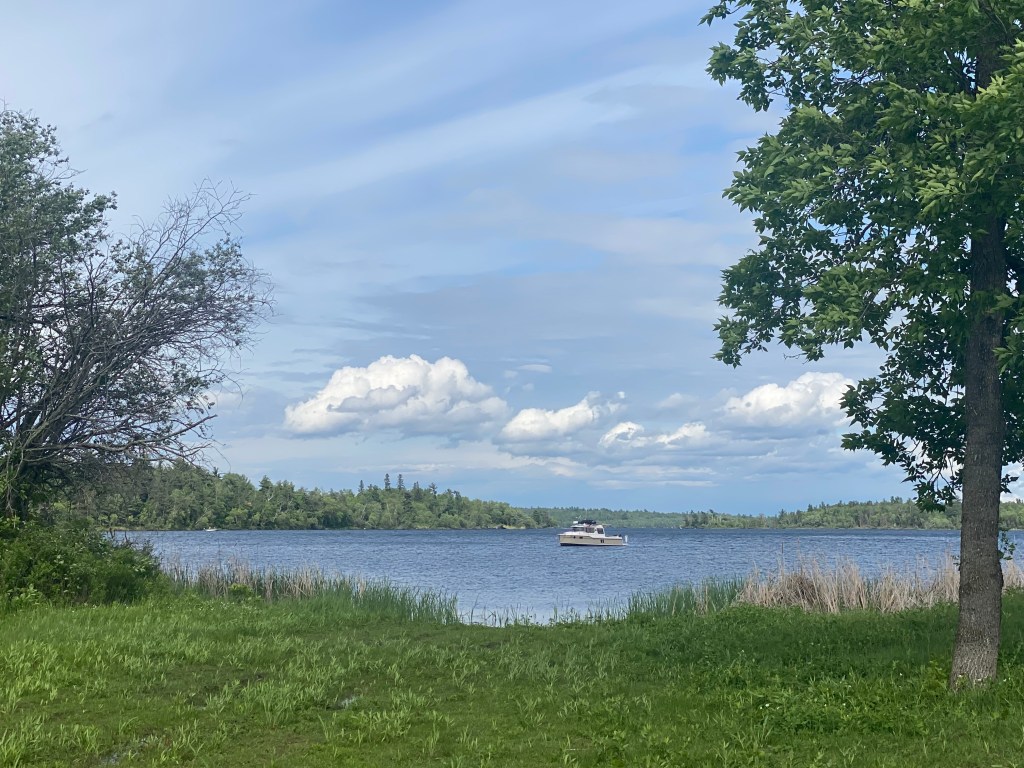
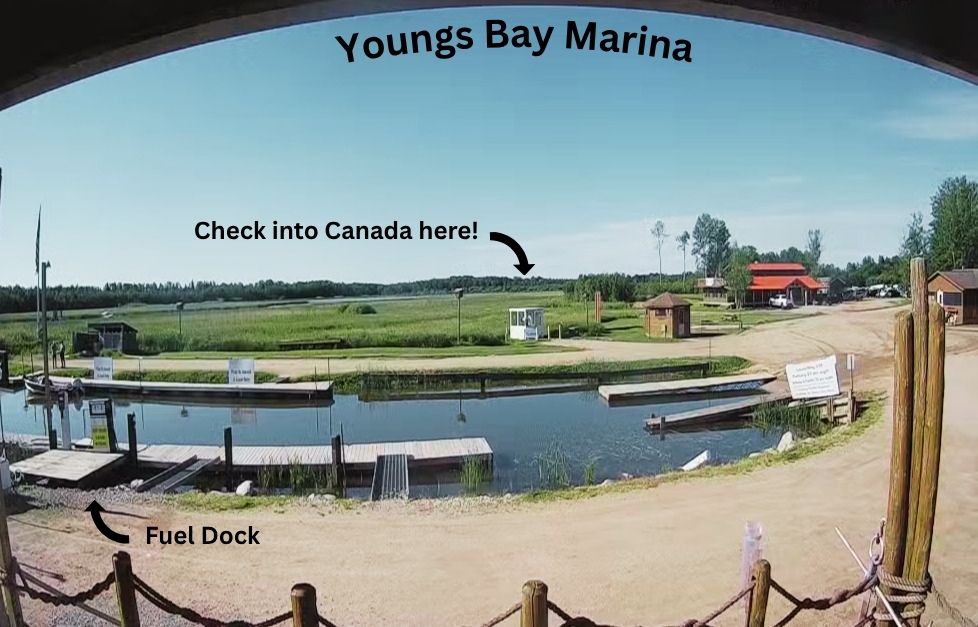
One thing we’re learning out here is that “marina” means something different on Lake of the Woods. Forget the fixed docks and ship’s stores we know from the coast or the Caribbean. Out here, the boats are small fishing rigs, and Bearcruzer qualifies as a large vessel. We pulled cautiously through the shallow entrance of Youngs Bay Marina and eased onto their fuel dock — Mike’s captaining skills on full display — topped off our tanks, snapped a few photos, and then did something we’d never done before: checked into Canada via a white handheld phone mounted on a booth near the dock. No appointment, no border crossing, no lineup. Just pick up the receiver, follow the CBP officer’s instructions, and answer a few questions. When they asked how long we planned to be in Canadian waters, we said at least a couple of weeks. The officer paused and said, “How about 21 days?” Being the sixth largest lake in the US after the Great Lakes, he probably knew better than we did. We took the 21 days.
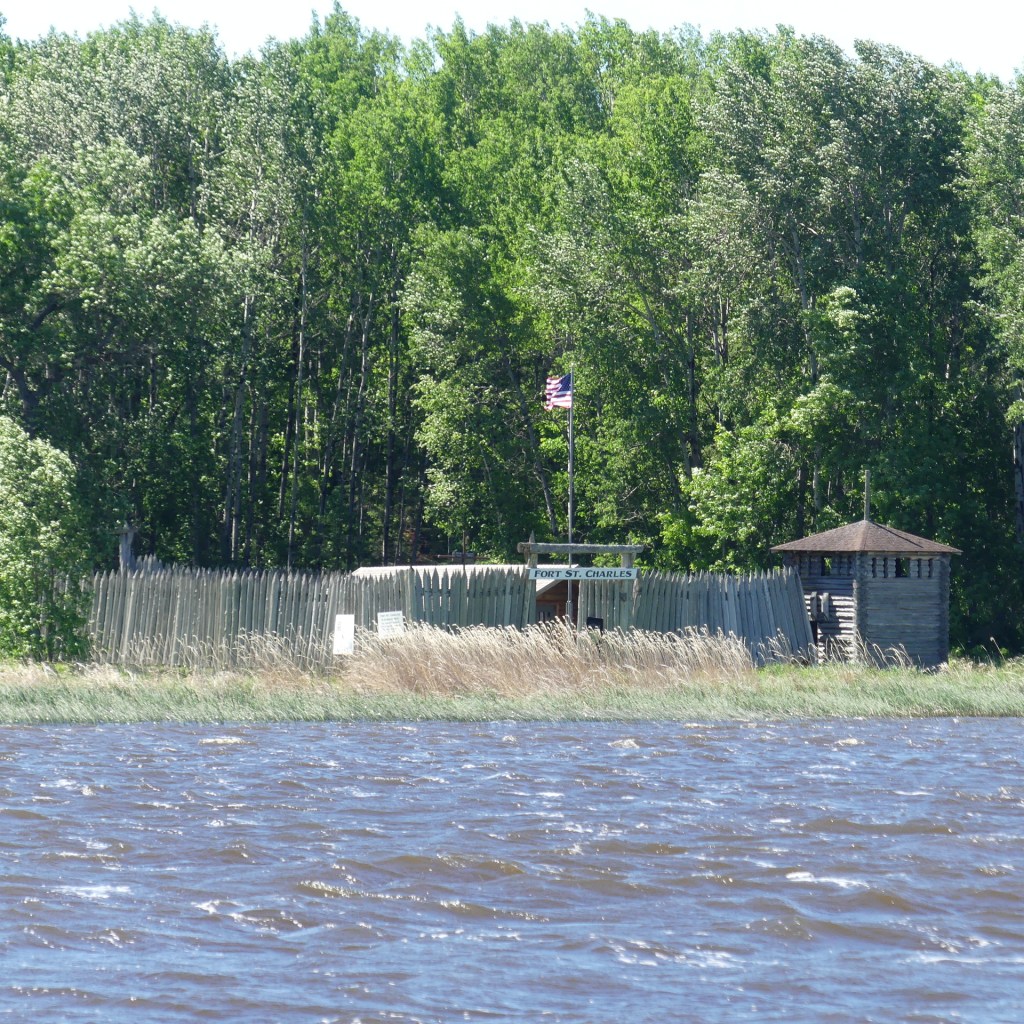
Just north of Youngs Bay, we made our way around Magnuson Island to get a look at Fort St. Charles — a re-erected French fur trading post from 1732 that served as a vital base for western exploration. We really wanted to go ashore and poke around, but the wind was blowing hard out of the northwest and straight onshore. The fort wasn’t going anywhere, but Bearcruzer might have, so we settled for photos from the water and pointed ourselves further north in search of a calm anchorage for the night.
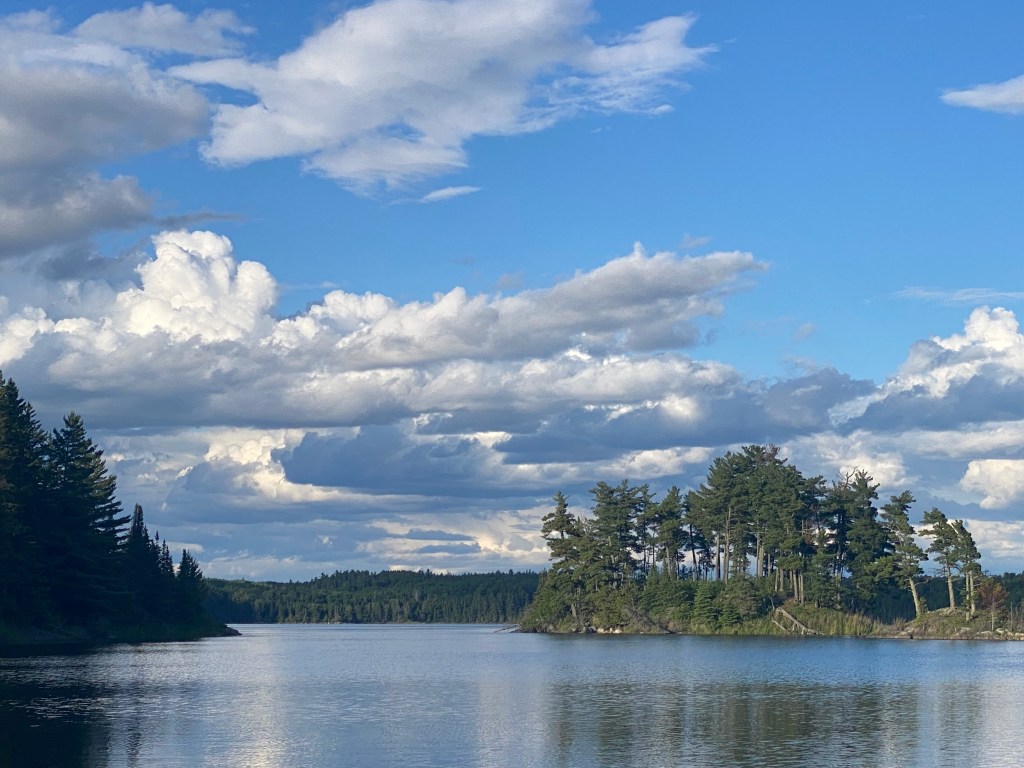
The further north we traveled, the more dramatic the landscape became. Lake of the Woods was carved by glaciers, and it shows — granite island outcrops rise straight out of the water, draped in dense moss, ferns, and lichen, with a remarkable mix of southern hardwoods and boreal forest growing right down to the shoreline. It feels ancient out here, in the best possible way.
Following the main track north toward Kenora, we passed Cochrane Island and noticed a small, unnamed island tucked beside it, with a calm patch of water between them and a little beach just big enough for Sierra to stretch her legs. We dropped anchor and barely had time to set it before we spotted them: a pair of Bald Eagles perched in a dead tree directly overlooking our anchorage, keeping a watchful eye on the new arrivals.
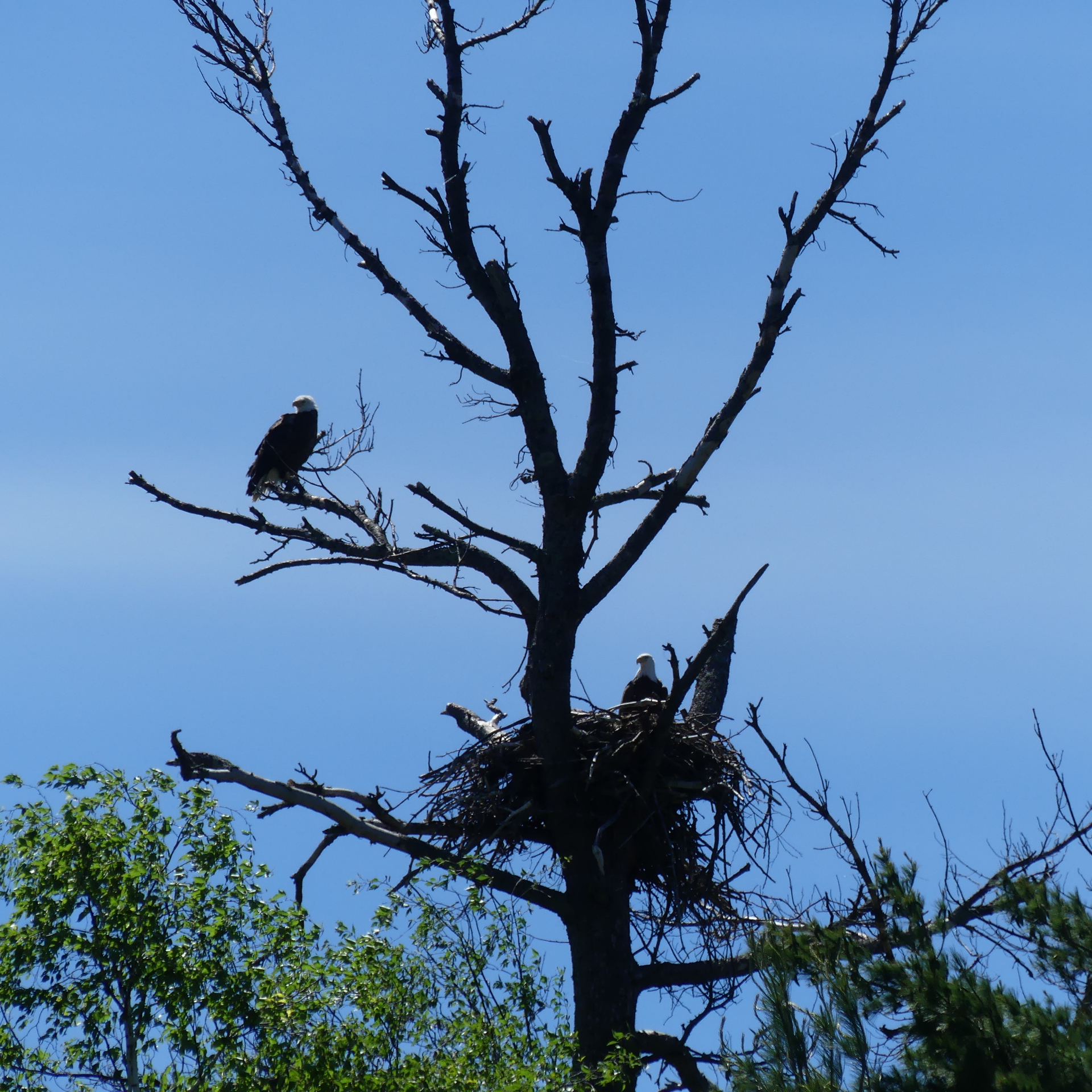
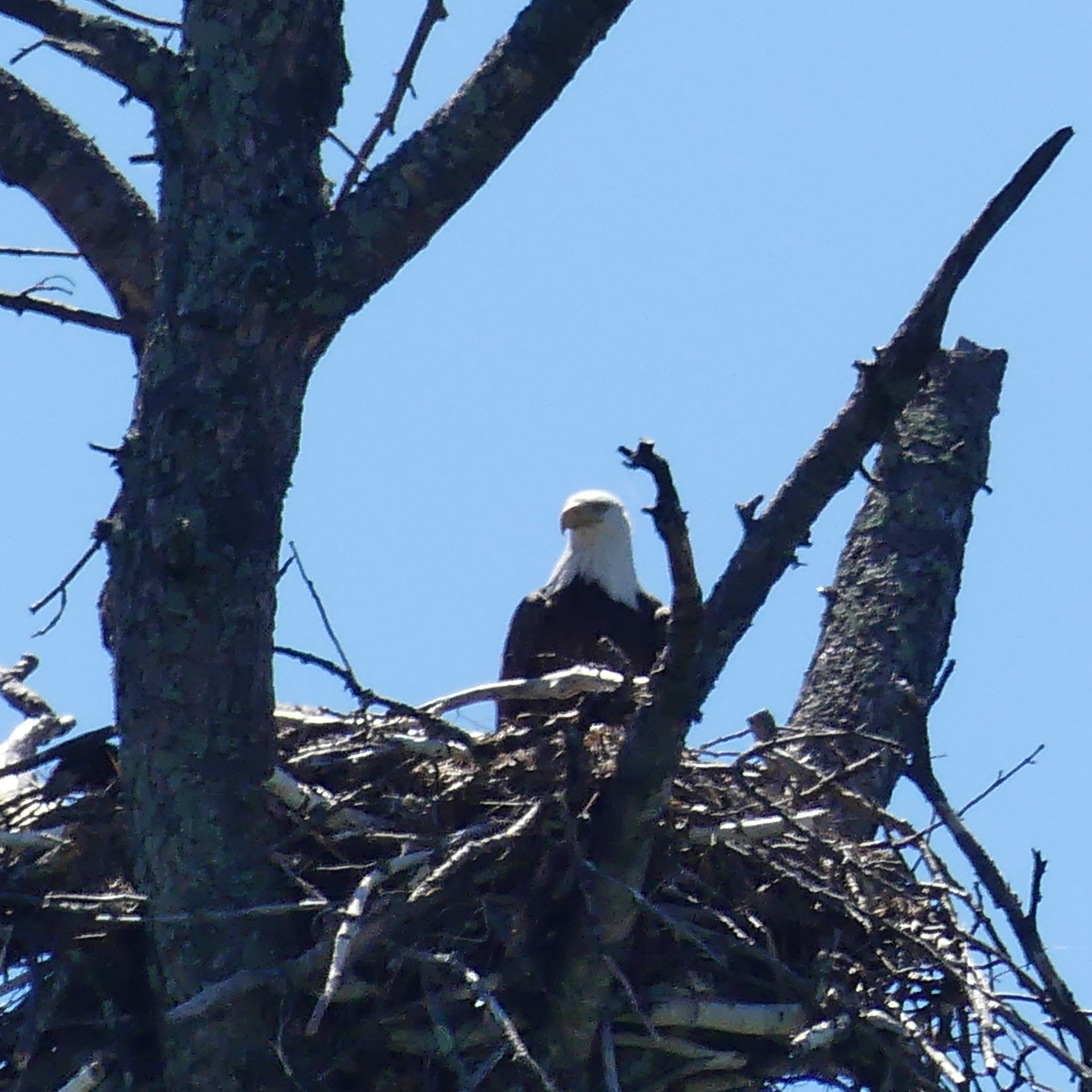
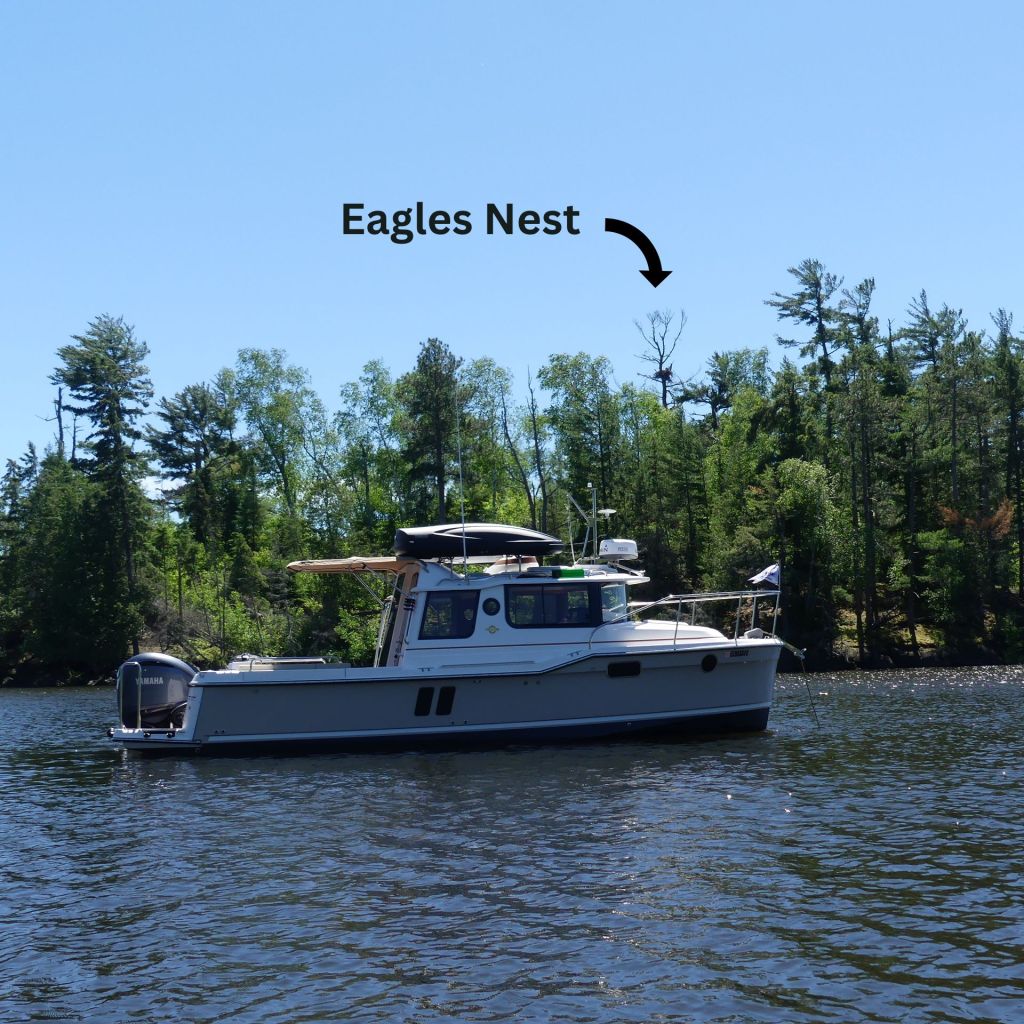
Then came the butterflies and dragonflies across the bow — always a welcome blessing.
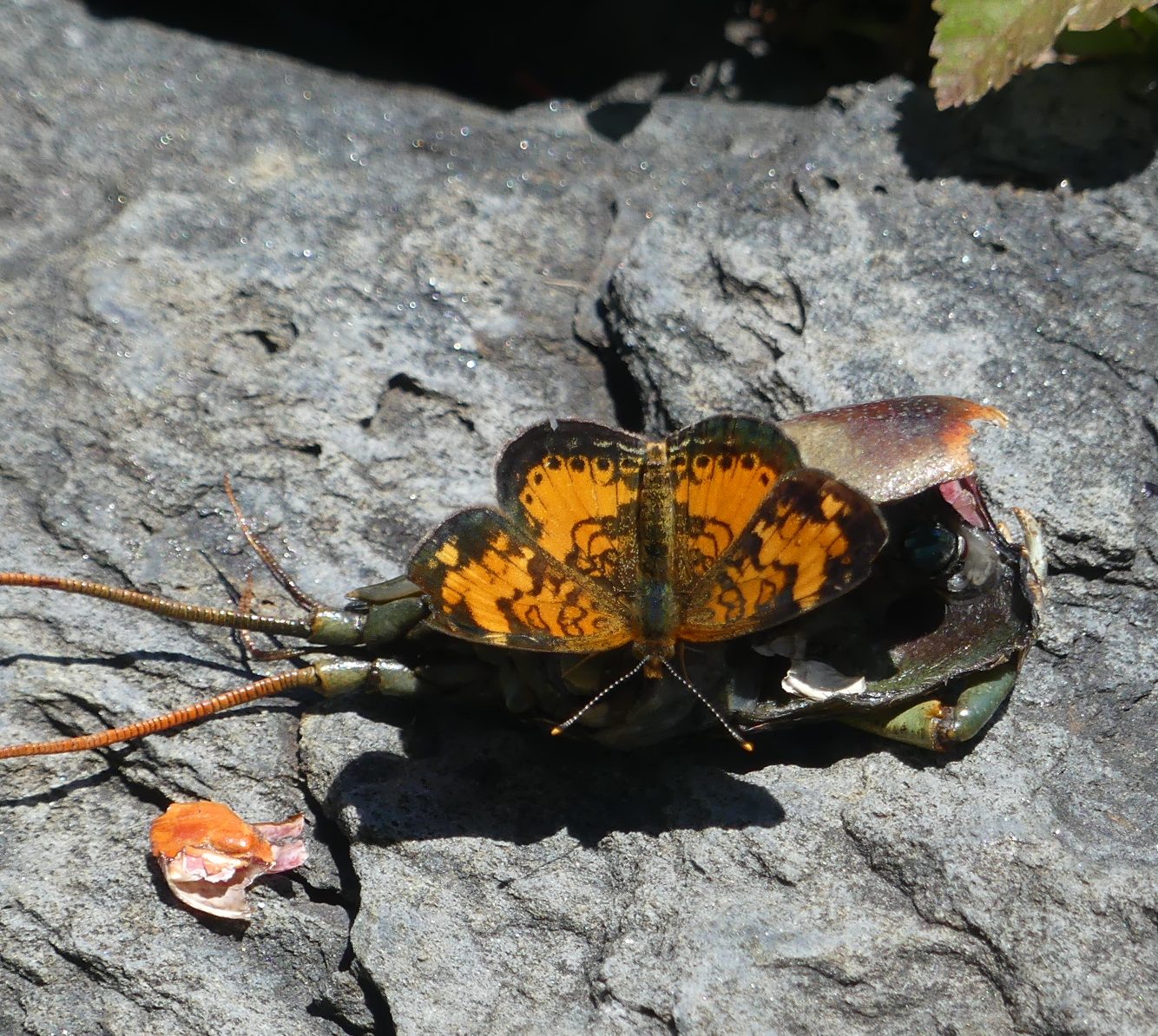
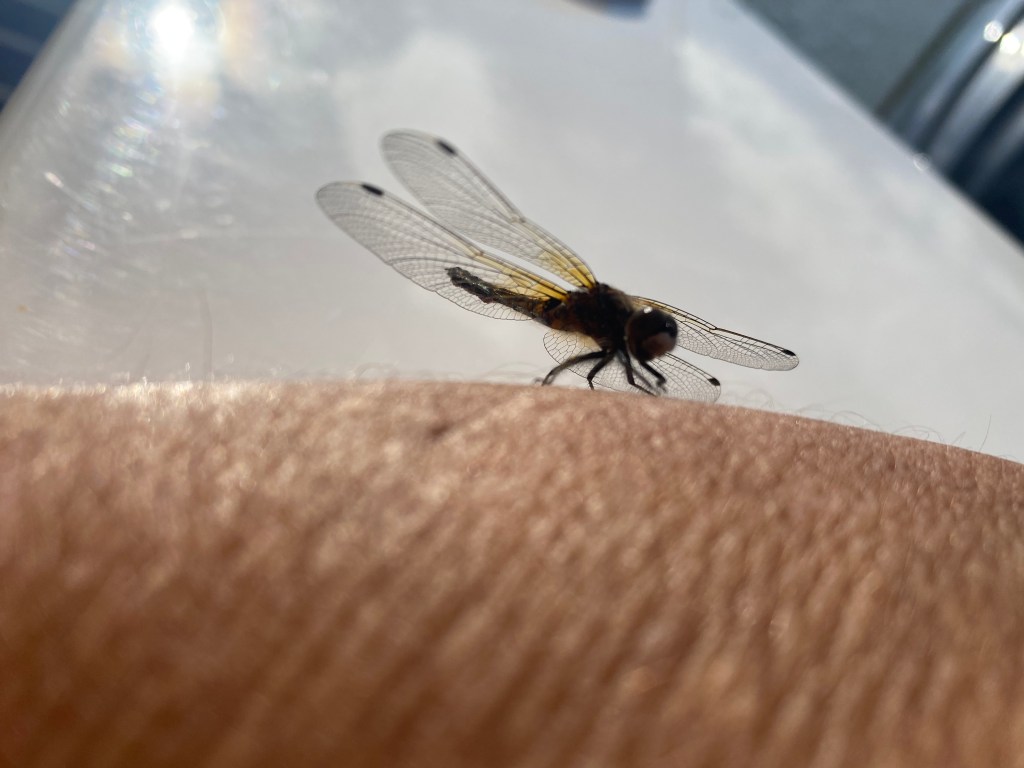
We dinghied ashore and walked the little beach with Sierra, and as if the eagles weren’t gift enough, we found a couple of fishing lures along the water’s edge. That evening we sat in the cockpit and watched as the eagles weathered a noisy bombardment from the neighboring crows with complete dignity, and brought food in to their nestling as the light faded. Their calls echoed across the water long after dark.
We thought of Dad. He would have loved every minute of this — the eagles, the wilderness, the quiet. He is soaring with them now, above this little bit of heaven on earth.
Miss you, Pops.
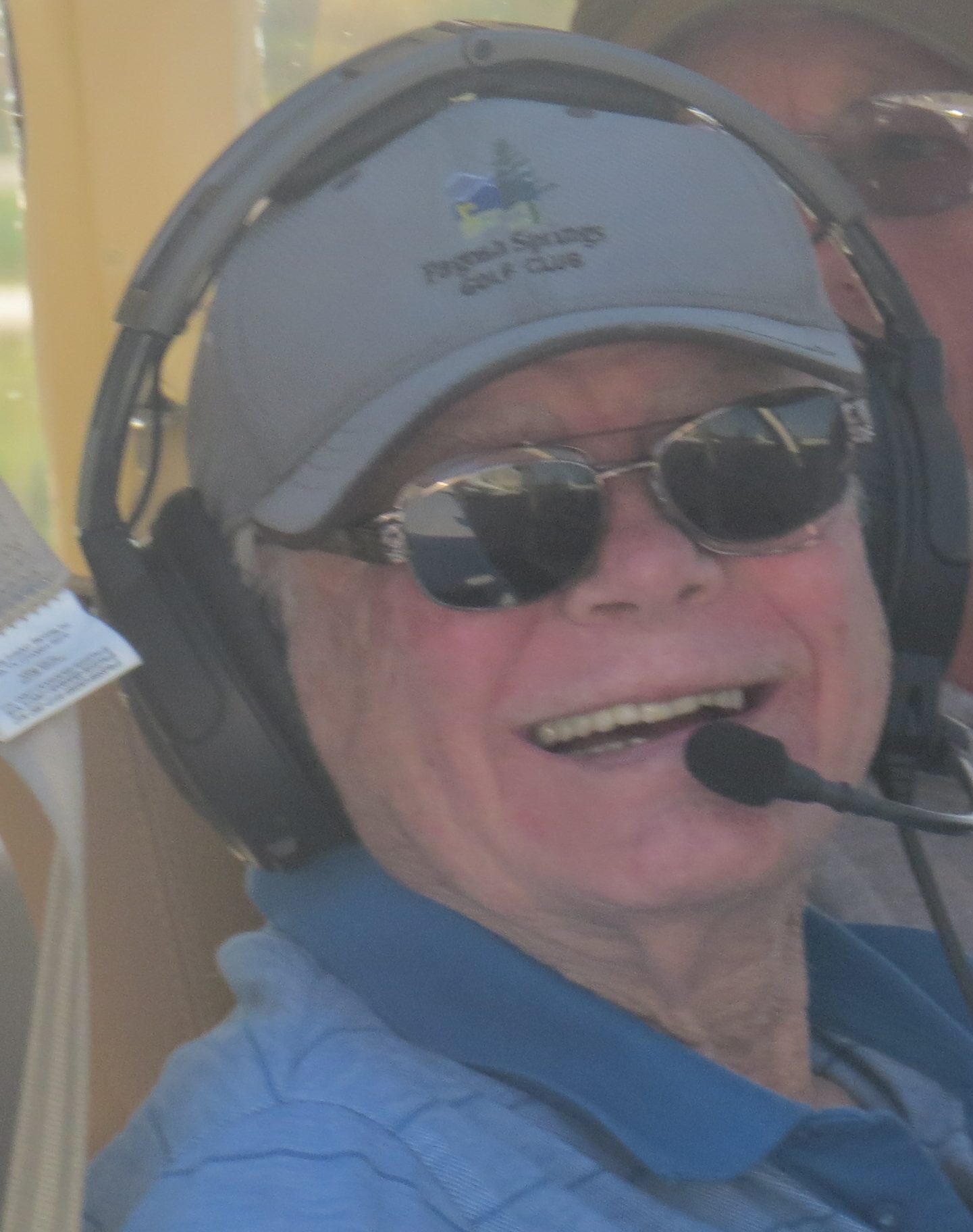
Arlo Martin Sperry Jr 9/27/37 – 03/06/26

