Timing is everything!

The next morning began the way the best ones do. One of us slipped out of bed first, got the French press going, and by the time the coffee was ready, we were both sitting over the charts figuring out the day. There is a rhythm to mornings aboard Bearcruzer — a mental checklist that moves in a particular order, covering the inside of the boat, the dinghy, the dog, and the two of us, all coordinated and timed with the quiet efficiency of people who have learned, sometimes the hard way, that order matters out here.

This was a morning for learning it again.

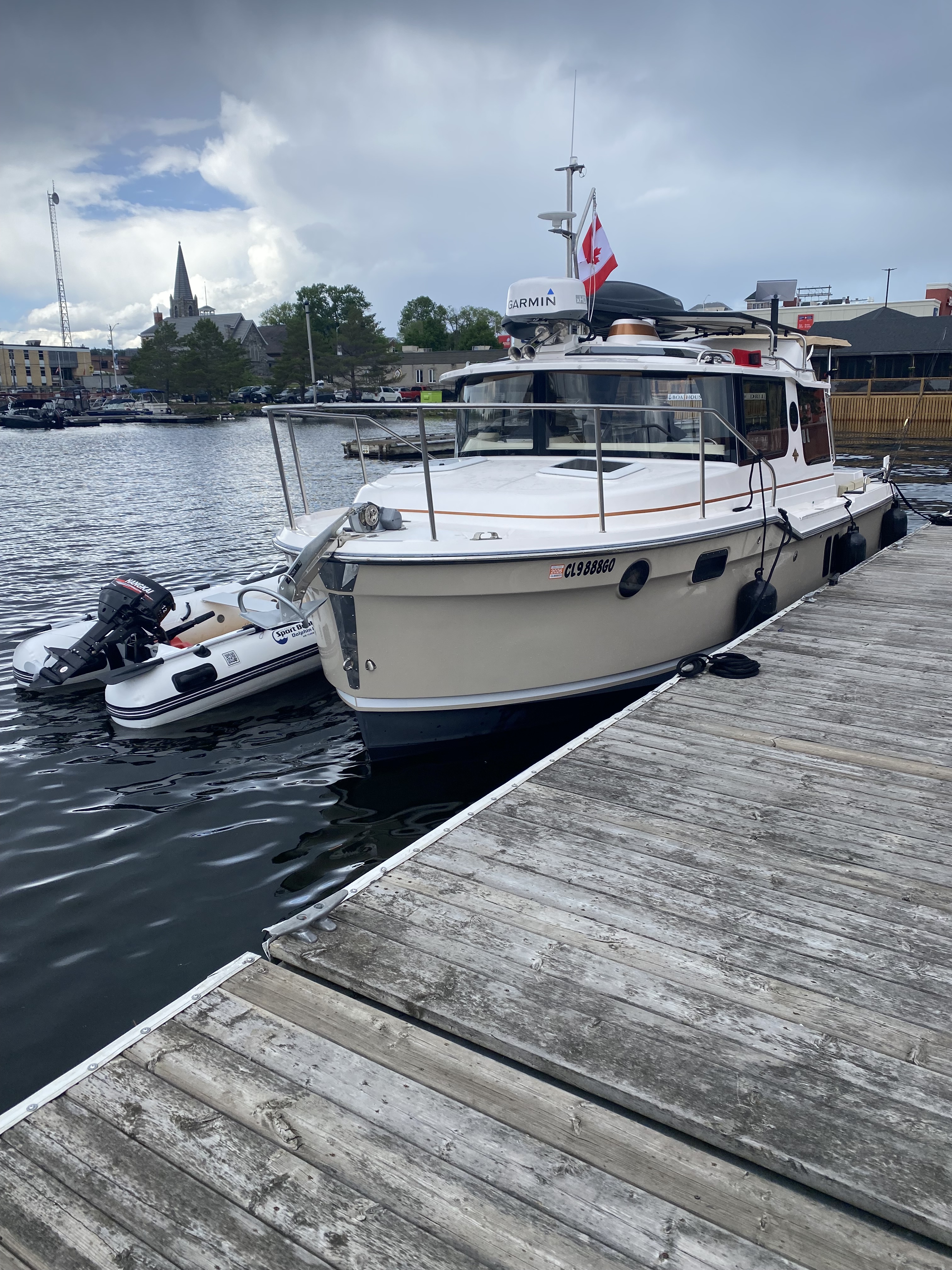
The departure routine goes like this: Mike raises the anchor, eases Bearcruzer into reverse, uses the bow thrusters to position her toward the mouth of the anchorage. During this maneuver, the dinghy rides alongside the boat, secured by a line that gets let out to tow length once we’re underway and moving safely away from any hazards. The key word being once. Releasing that line too soon risks one thing above all others: the line finding its way around the propeller.

You guessed it…I released the line too soon.

There was a moment — a brief, horrible moment — when everything felt fine. And then the engine stopped. Not gradually, not with any warning. Just stopped, the way engines do when something has wrapped itself around the prop and asked them very firmly to quit.

Mike lowered the anchor again and raised the engine. Sure enough: dinghy line, wound snugly and thoroughly around the propeller, looking almost smug about it. He reached for his knife, ready to cut it free. But we weren’t in any danger, the boat was secure, and so we took a breath and took our time. I worked the line loose by hand, turn by turn, and managed to free it completely — intact, no damage done. The engine, bless it, started right up the moment the line was clear.

We looked at each other. We did not say much.

There is a reason the morning routine runs in a particular order, in a particular way, with particular timing. It isn’t habit for habit’s sake — it’s two people, a dog, and a boat operating as a system, and when one piece moves out of sequence, the whole thing knows it.

Lesson learned. Again. Don’t rush. Do things right, in the right order, and trust the system — and the person running it alongside you.

Now. On to the next adventure.
A Stop in the Town of Kenora

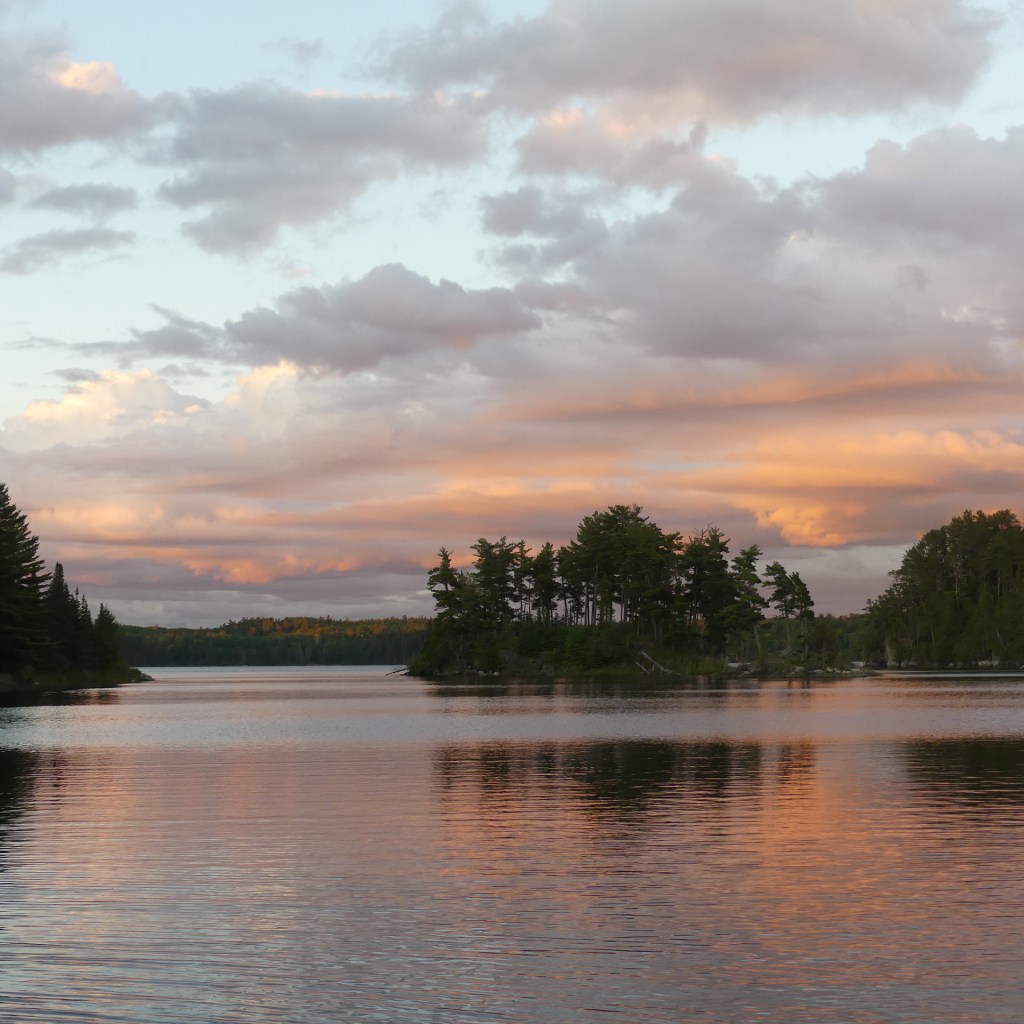
Leaving “Marty’s” anchorage was harder than we expected. There’s something about a place that greets you with butterflies and Bald Eagles that makes the anchor feel heavier when it’s time to go. But explore we must, and besides, Canada wouldn’t allow us to bring in any fresh fruits and vegetables, so onward to Kenora it was.

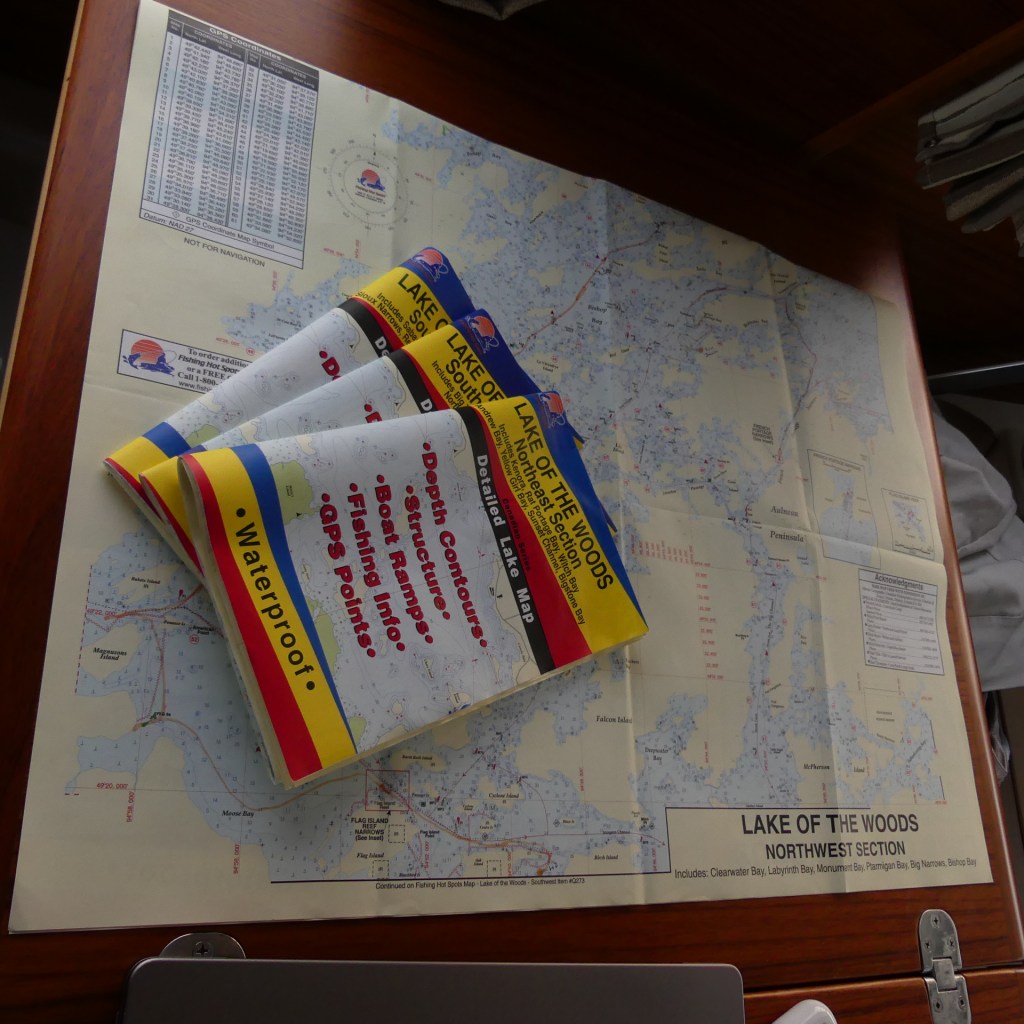
We followed the main route northeast for about 22 miles at our usual fuel-conserving trawler pace of 7 to 8 mph, and we’ve been leaning heavily on the Canadian Series Detailed Lake Maps published by Fishing Hot Spots to find our way. Lake of the Woods is enormous — the sixth largest lake in the USA after the Great Lakes, as our CBP officer reminded us — with so many islands and channels that route planning without a good paper chart feels like a fool’s errand. We use the maps to get the big picture and plot our course, then trust the GPS to keep us honest on the way there. Highly recommend them to anyone cruising these waters.

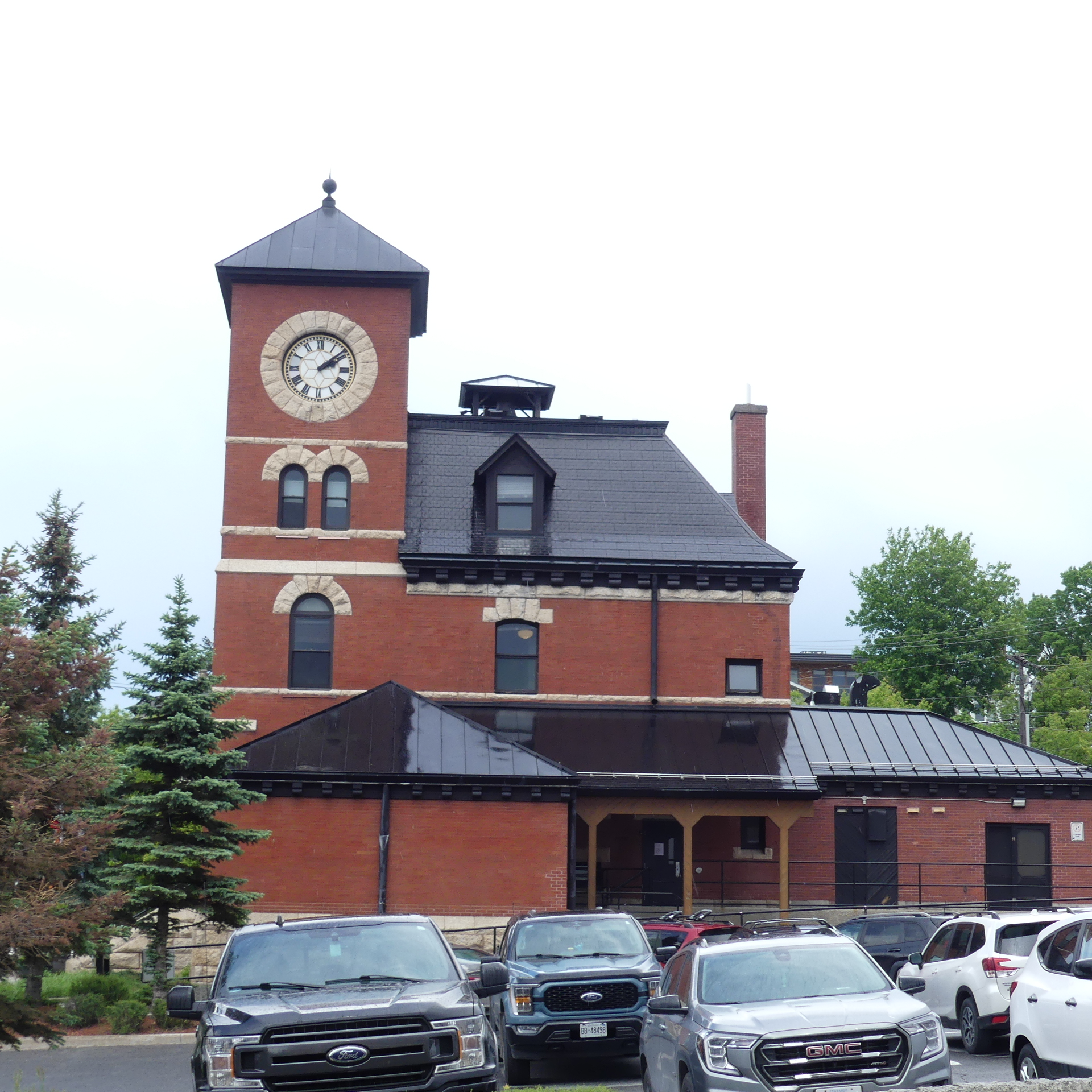
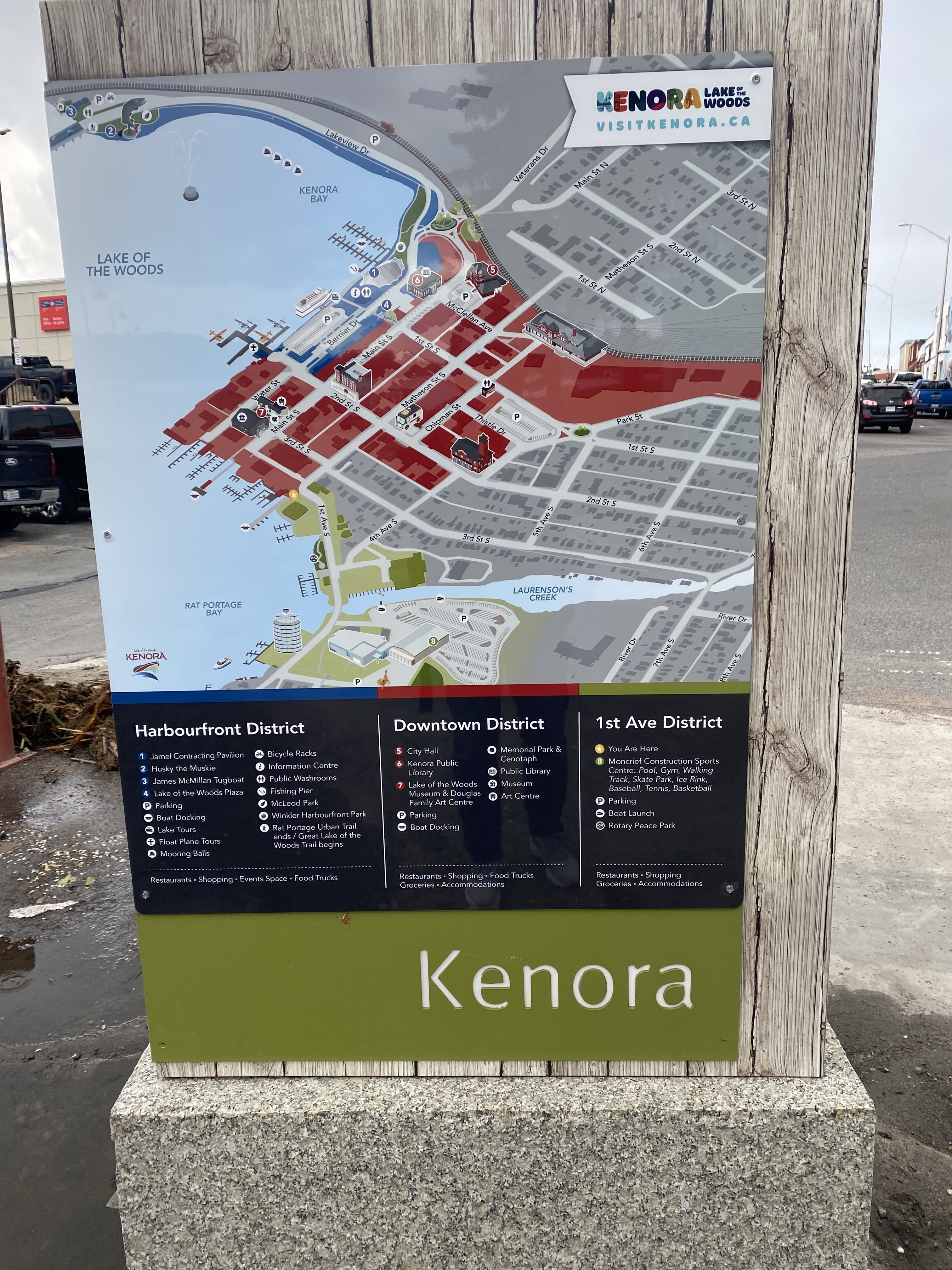
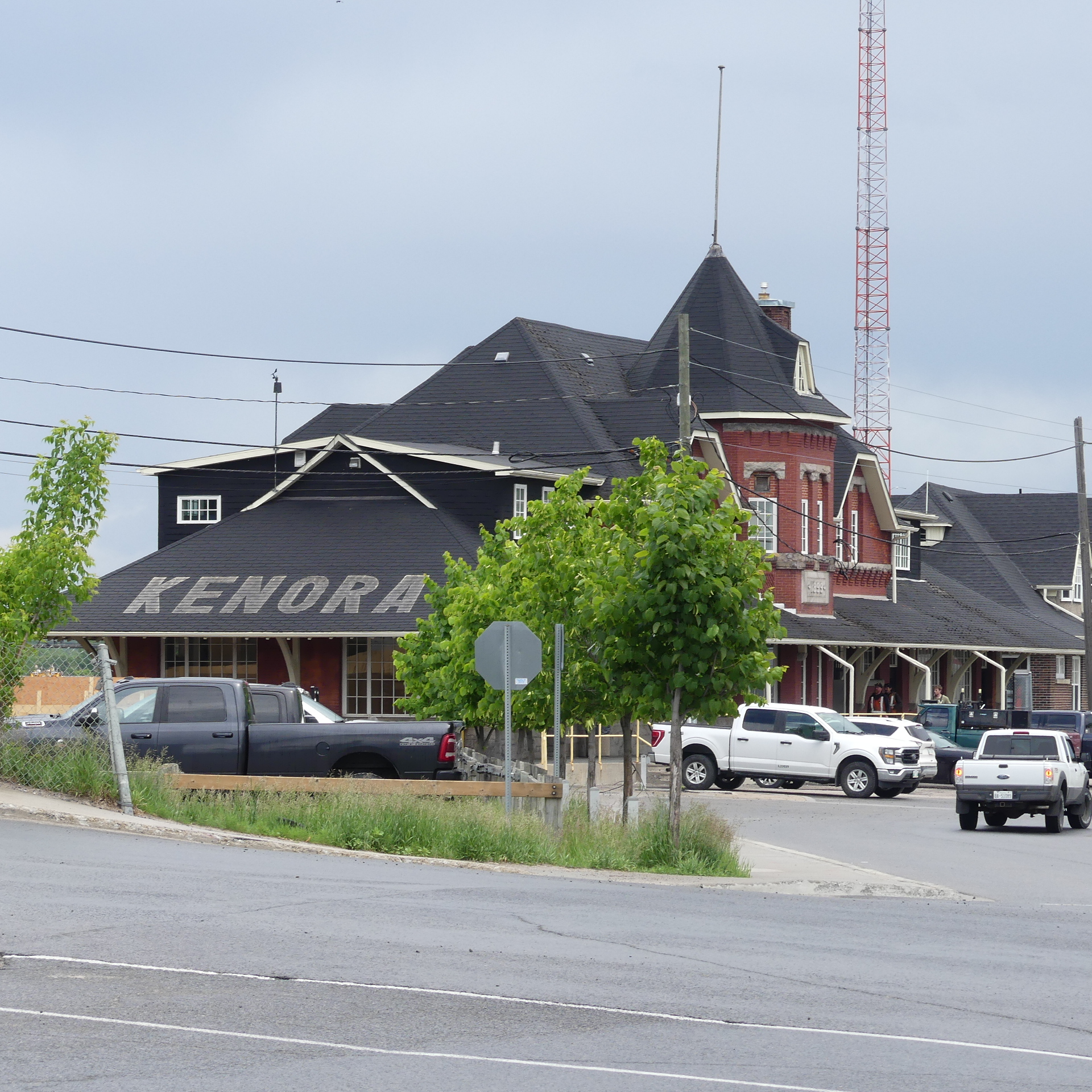
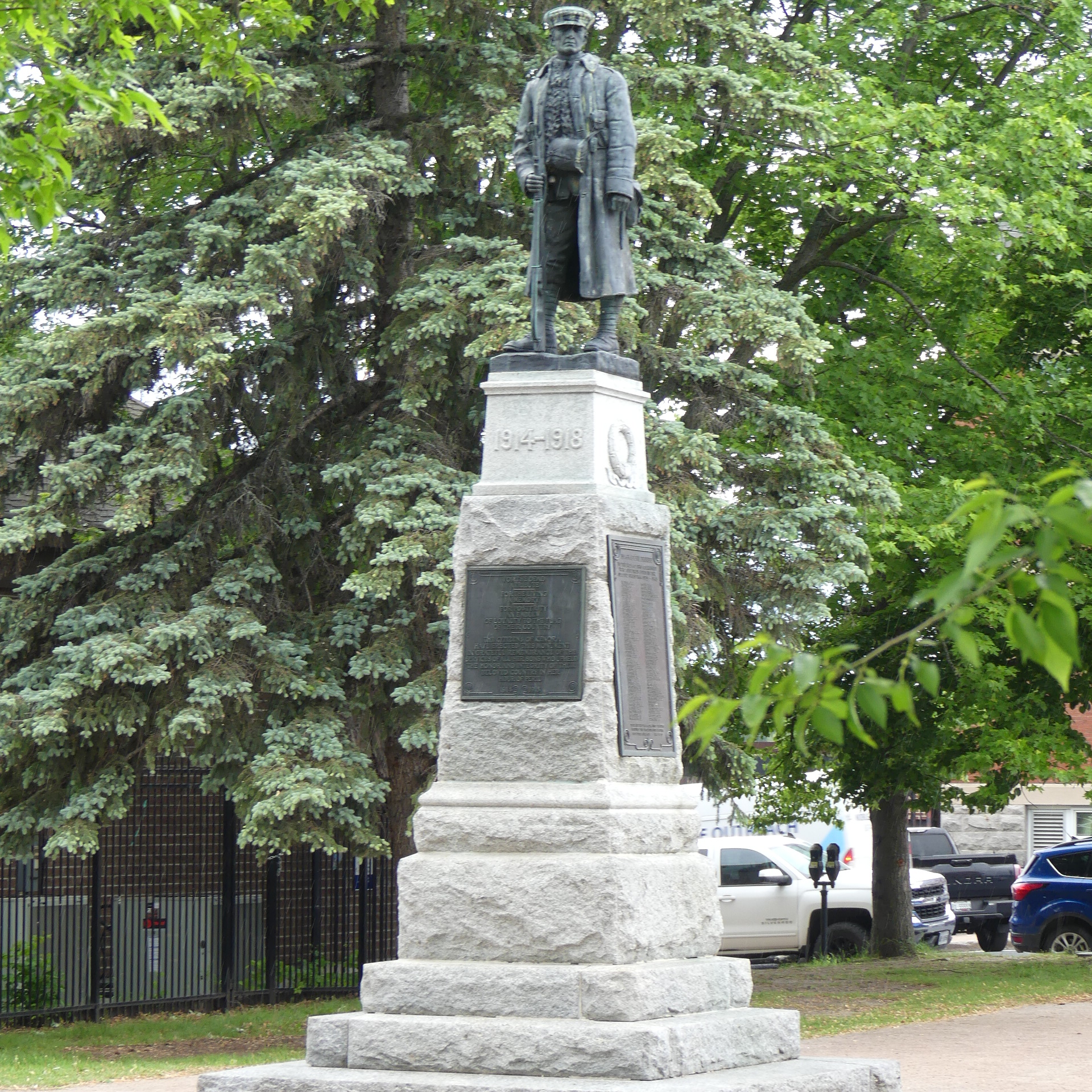
Kenora turned out to be a genuine little Town, a welcome sight after days in the wilderness. We tied up at the public dock and explored the area closest to the waterfront before making the walk to the local Safeway to restock on fruits, vegetables, and a little wine and beer for evening happy hours at anchor. There are smaller docks right next to the Safeway for boaters who want to arrive by dinghy, but after a full day of cruising, it felt good to just walk, bags and backpack in hand, stretching our legs on solid ground like regular people.

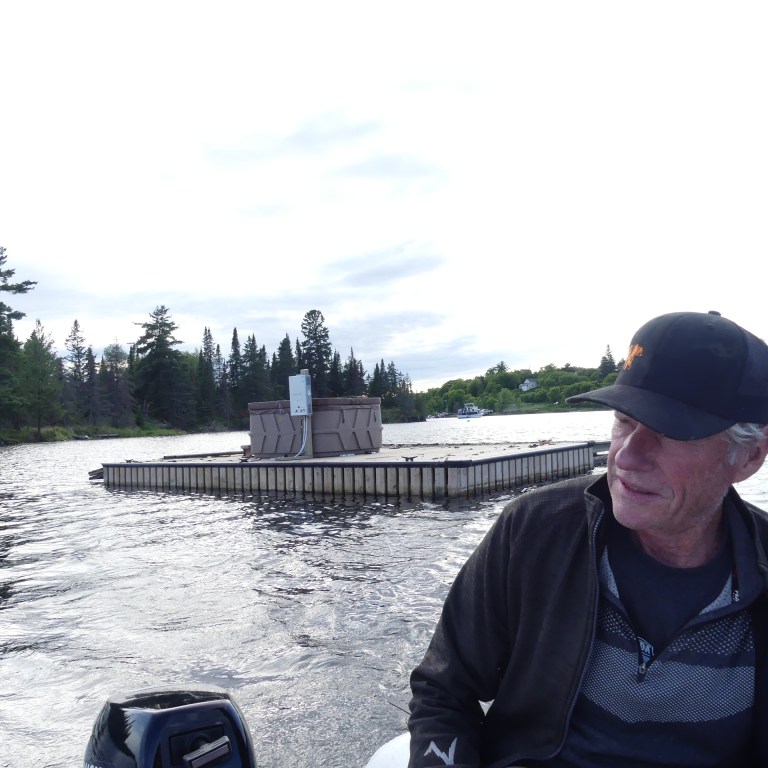
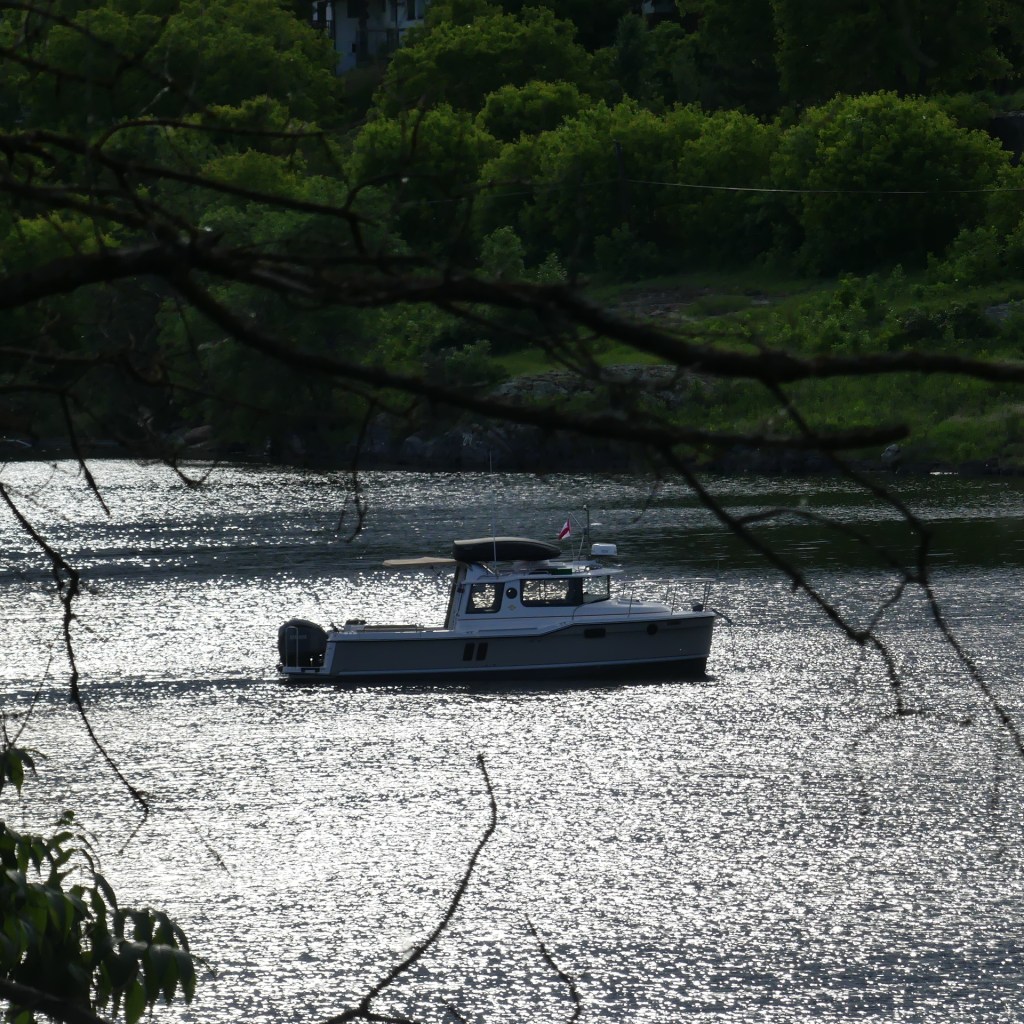
With the provisioning done, we checked the charts and found a well-protected anchorage just northwest of town in Keewatin Bay. We settled in alongside a moored houseboat and an older yacht, neither of them occupied, which suited us fine. And then we noticed it: sitting out in the middle of the bay, moored to nothing in particular, was a floating swim platform — with a hot tub on it. We did not investigate whether it was operational. Some mysteries are better left unsolved.

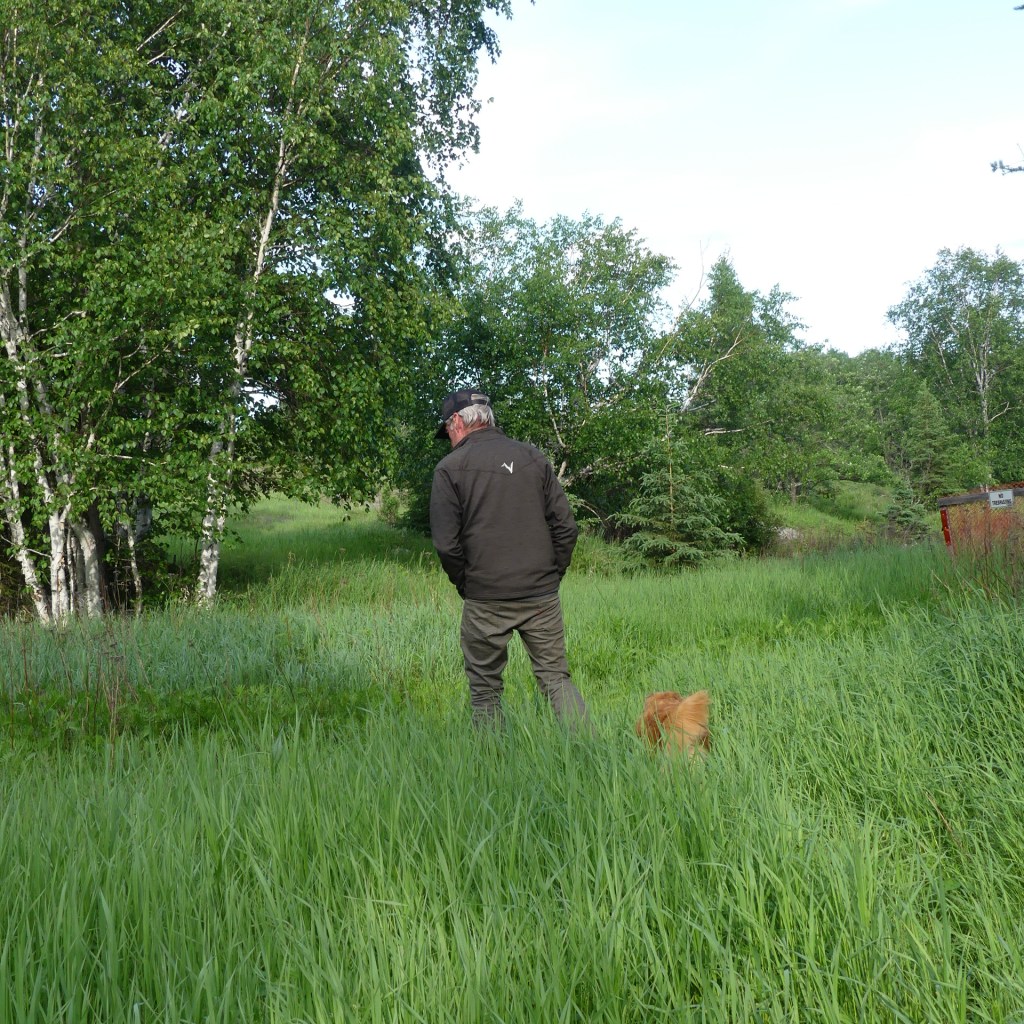
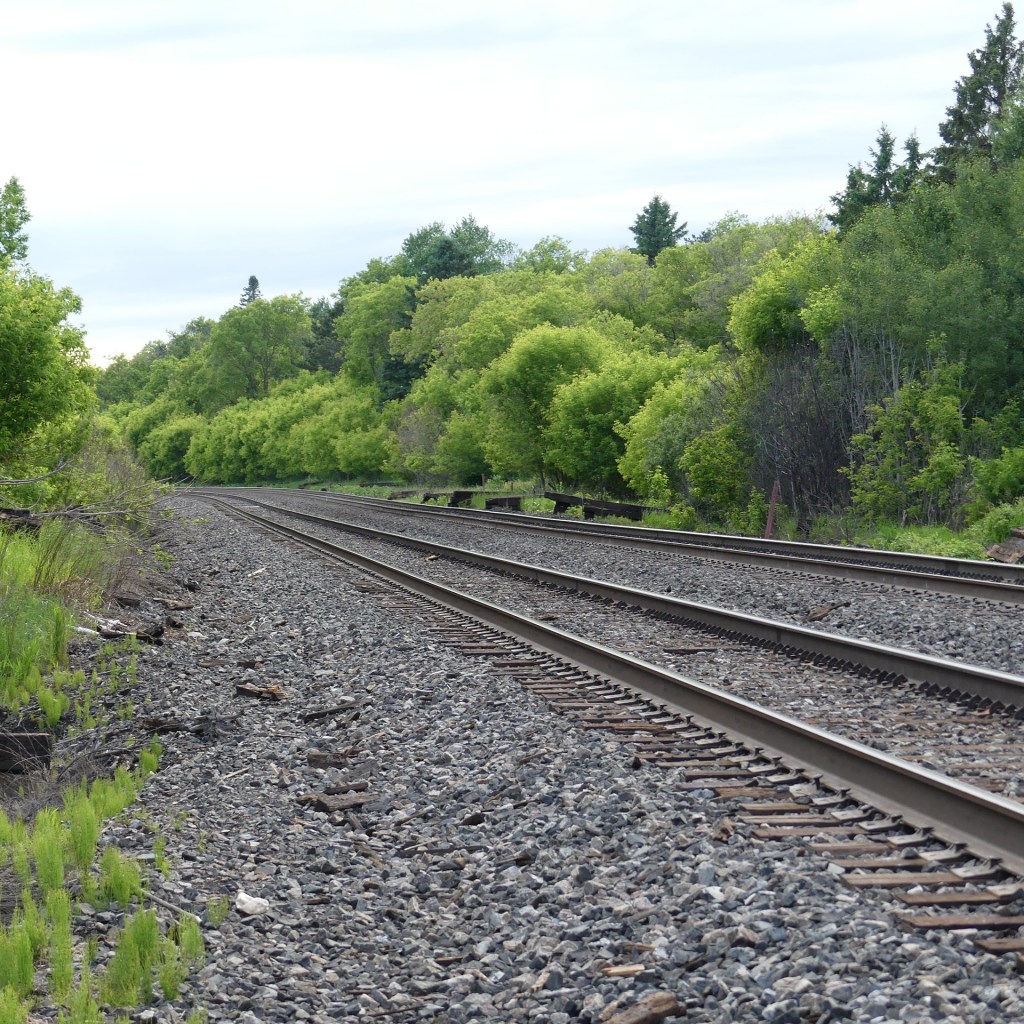
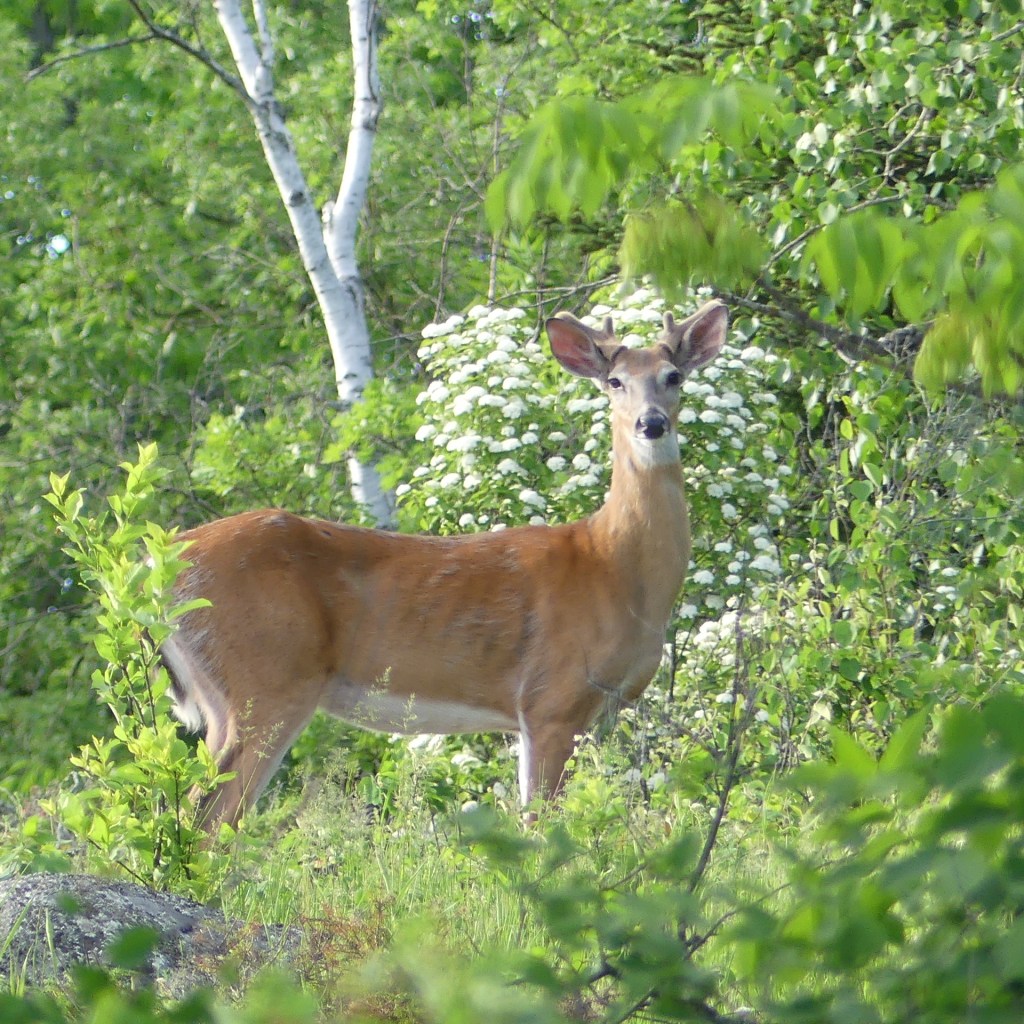
That evening, we took Sierra ashore along what turned out to be a snowmobile trail, which wound through the woods and eventually delivered us to a set of railroad tracks — and two very startled white-tailed deer who clearly had not expected company. Back at the boat, we spent the next solid hour doing what every dog owner in tick country learns to do: brushing Sierra out completely and conducting a full tick check on each other. It has become as much a part of our anchoring routine as setting the hook. Unglamorous? Yes. Necessary? Absolutely.

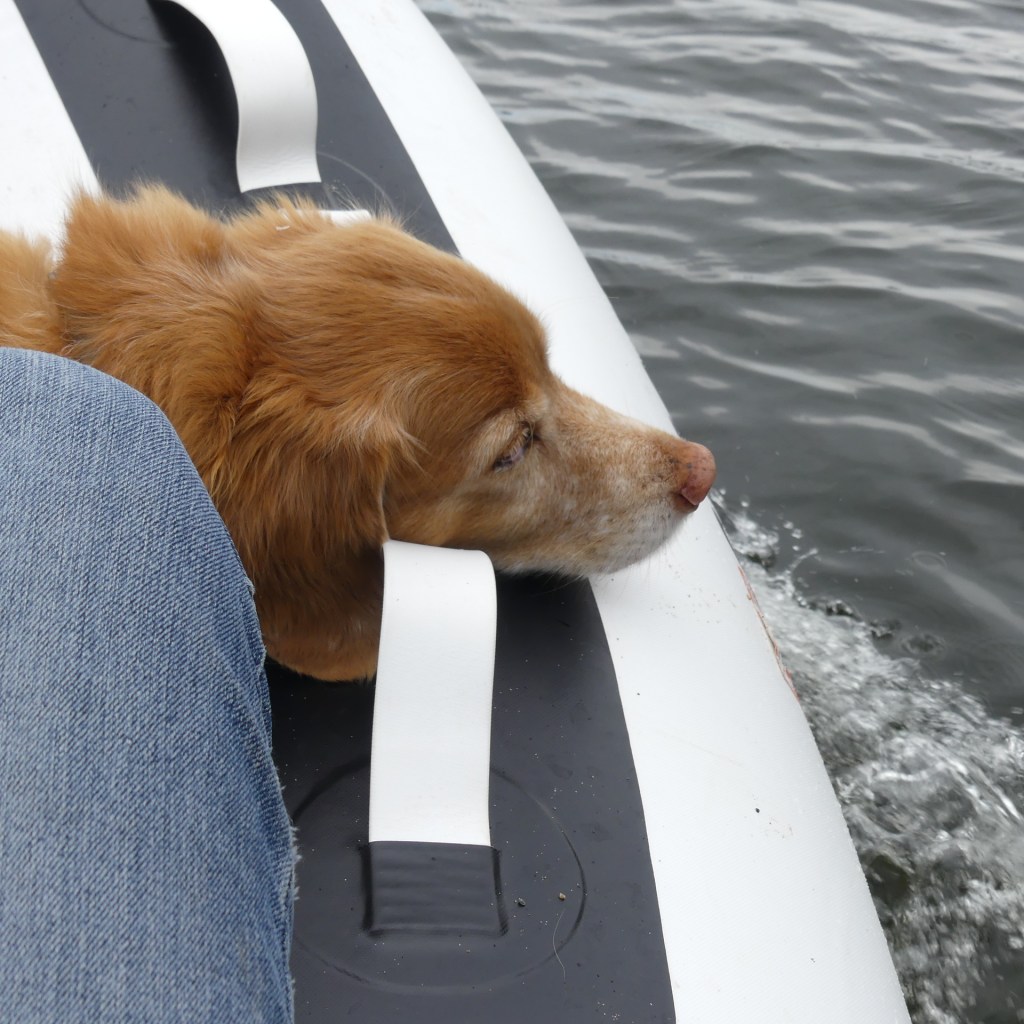
The next morning, I decided Sierra deserved a gentler outing. I loaded her into the dinghy and motored over to the small community of Keewatin, where we walked along proper sidewalks through a beautifully manicured Beatty Park. No snowmobile trails, no railroad tracks, no deer, and — fingers crossed — no ticks. She trotted along happily, and honestly, so did I. The wilderness is magnificent, but sometimes a well-kept park and a flat sidewalk are exactly what the crew needs.